How to Grow Without Forcing: The Power of Gentle Progress
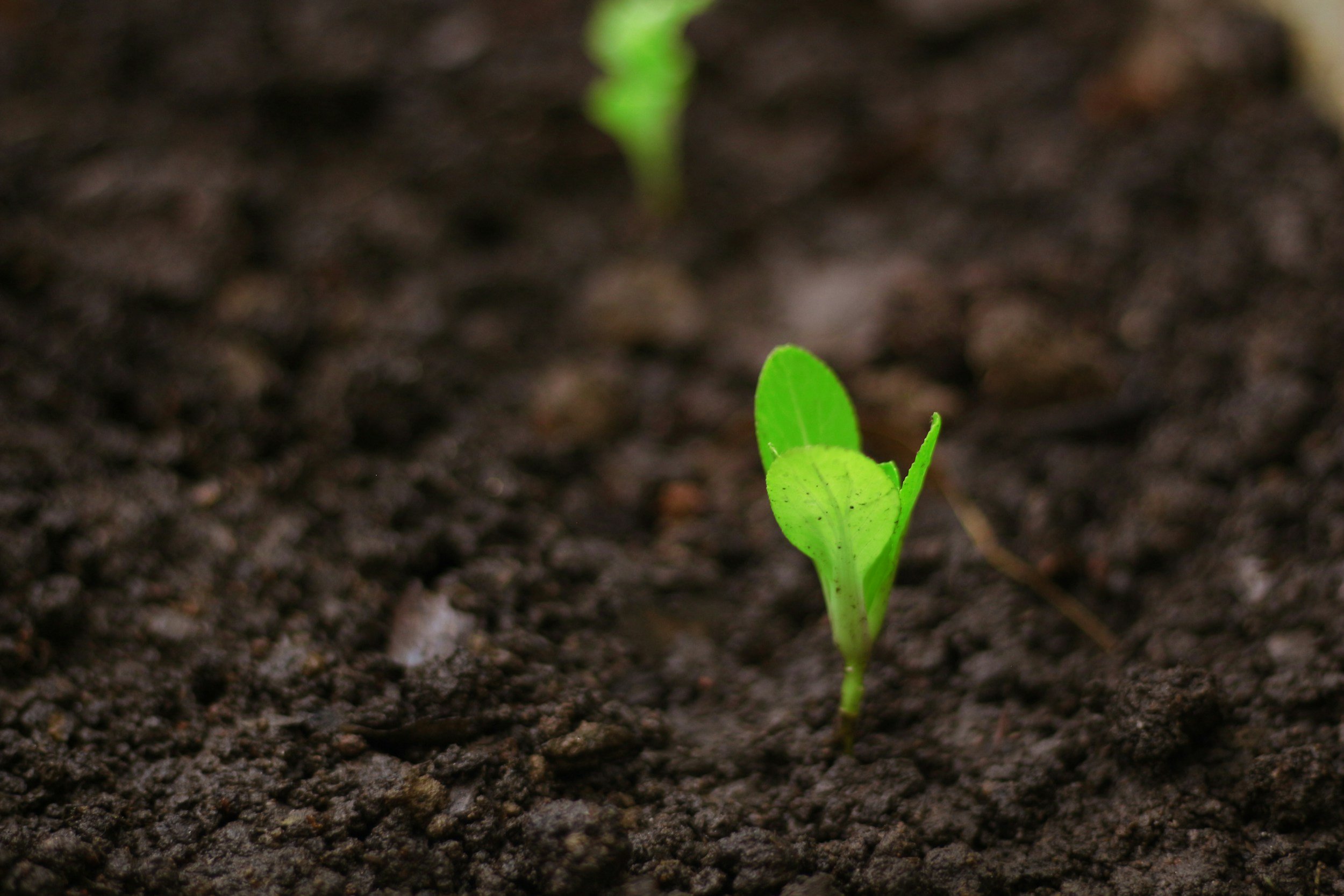
📸✨: Daniel Dan (@outsideclick)
Can we talk about hustle culture for a second?
Not to bash it entirely — because yes, effort matters, showing up matters, doing the work matters. But somewhere along the way, a lot of us absorbed this idea that if we're not pushing hard, grinding through, or forcing ourselves past our edges... we're not really growing.
And honestly? That belief causes so much unnecessary suffering.
Because here's what I've seen — both in my own life and in working with people energetically — real growth rarely happens because you forced it. It happens in the quiet moments. The gentle shifts. The slow unfolding that you almost miss because it doesn't look dramatic enough to count.
A seed doesn't force itself through the soil. It just grows — steadily, naturally, in its own time. And somehow we've decided that humans should operate completely differently from every other living thing in nature.
What if we didn't, though?
What if growth could actually feel... good?
Why Do We Default to Forcing in the First Place?
Before we talk about a gentler way, it helps to understand why forcing feels so normal — because it didn't come from nowhere.
Most of us grew up in environments that rewarded pushing through. Struggle was seen as proof of effort. Rest was something you earned after productivity. Slowness felt suspicious, like maybe you just weren't trying hard enough.
Layer on top of that a culture of comparison — social media highlight reels, overnight success stories, everyone else's progress on display — and it becomes really easy to feel like you're falling behind. Like if you're not actively forcing things forward, you'll get left in the dust.
Energetically, this shows up as contraction. Tightness. A kind of bracing against life that keeps us in a low-grade state of stress even when things are technically going okay.
And the cruel irony? That contracted, forcing energy actually slows growth down. When we're pushing from a place of fear or scarcity, we close off the very channels that allow new energy, ideas, and opportunities to flow in.
Forcing isn't a sign of commitment. A lot of the time, it's a sign that fear is driving the bus.
Signs You Might Be Forcing Your Growth
This is a good one to sit with honestly — because forcing can be sneaky. It doesn't always look like white-knuckling your way through something obvious. Sometimes it's subtle.
Here are some signs worth paying attention to:
1. You feel exhausted by your own goals.
There's a difference between the good tired that comes from meaningful effort and the bone-deep depletion that comes from pushing against yourself constantly. If thinking about your growth makes you want to lie down and never get up, that's a signal.
2. You're measuring progress only by visible, external results.
Gentle growth often happens beneath the surface first — in your mindset, your energy, your nervous system — before it shows up in tangible ways. If you only count the visible stuff, you'll constantly feel like nothing is happening when actually a lot is.
3. You've turned self-improvement into self-punishment.
If your inner voice sounds more like a drill sergeant than a supportive friend, forcing might be your default mode. Growth that comes from "I'm not enough yet" feels very different — energetically and emotionally — than growth that comes from "I want to expand."
4. You can't be present because you're always focused on where you're not yet.
Always living in the gap between where you are and where you want to be. Never quite letting yourself appreciate how far you've come. Always chasing the next thing before this thing has had time to settle.
5. You feel resistance and immediately try to bulldoze through it.
Resistance isn't always an obstacle to overcome. Sometimes it's information. (Psst — if this one resonates, my post on releasing resistance goes deep on this.) Forcing through every bit of resistance without asking what it's trying to tell you means you're probably missing some important messages.
6. Your energy feels tight, not expansive.
Genuine growth — the kind that's aligned and sustainable — tends to feel at least a little bit exciting, even when it's challenging. Forced growth feels tight, heavy, and draining. Your energy body knows the difference even when your mind is still trying to convince you to push harder.
7. You've forgotten that rest is part of the process.
If rest feels like laziness or falling behind, that's a forcing mindset at work. Every growing thing in nature has seasons of dormancy. You are not the exception.

What if letting go was actually the most powerful growth move you could make?
Download my free Letting Go Ritual Workbook and start clearing the tension, fear, and old energy that's been keeping you stuck.
What Gentle Progress Actually Looks Like
Here's where I want to reframe something, because "gentle progress" can sound like "barely trying" — and that's not what this is.
Gentle progress is:
Consistent, not constant. Showing up regularly in sustainable ways rather than sprinting until you crash.
Curious, not critical. Approaching your growth with interest in what's unfolding rather than judgment about what's not happening fast enough.
Rooted in trust. Believing that you are growing even when you can't see it yet — the way you trust a seed underground even before the sprout appears.
Energetically open. Moving from expansion rather than contraction. From "I want this" rather than "I'm terrified of not having this."
It's also, frankly, more effective. Growth that's gentle and sustainable compounds over time in a way that forced sprints never do.
Think about it this way: would you rather run one exhausting marathon and then collapse for a month — or walk every single day for a year? One of those will actually get you further.
7 Ways to Embrace the Power of Gentle Progress
These aren't a rigid system. They're more like invitations — pick what resonates and leave the rest.
1. Redefine What Counts as Progress
This one is big. Start noticing the shifts that don't show up on a scoreboard.
Did you pause before reacting instead of snapping? Progress. Did you choose rest when you would normally push through? Progress. Did you notice a pattern you've never noticed before? Huge progress.
When you expand your definition of growth, you'll realize it's happening all the time — quietly, consistently, underneath the surface.
2. Work With Your Energy, Not Against It
Some days your energy is high and expansive. Some days it's quiet and inward. Neither is better — they're just different, and they call for different kinds of action.
On high-energy days, go for it. Make the moves, have the conversations, create the things. On quieter days, reflect, rest, integrate. Both are growth. The trouble comes when we try to force high-energy output on a low-energy day and then feel like failures for not being able to sustain it.
Your energy is information. Start listening to it.
3. Let Yourself Be a Beginner Without Apologizing For It
One of the biggest ways forcing shows up is in our relationship with being new at something. We want to skip the awkward, uncertain, not-very-good-at-it stage and get straight to competence.
But that uncomfortable beginner phase? It's where so much growth actually lives. It's where humility gets built. Where curiosity gets practiced. Where the foundation gets laid.
Give yourself permission to be in process. You don't have to have it figured out yet.
4. Create Space for Integration
Growth needs time to integrate — to settle into your body, your nervous system, your daily life. When we rush from one thing to the next without pausing, we're essentially trying to build on a foundation that hasn't dried yet.
After a big insight, a healing session, a challenging experience — give it some breathing room. Journal about it. Sleep on it. Let it become part of you before you chase the next thing.
This is especially true after energy work. A Reiki session can shift things at a deep level, and that shift needs space to fully land. (More on that in a second.)
5. Practice the "What's Already Working?" Check-In
Forcing energy loves to fixate on the gap — what's missing, what's not there yet, what needs to change. Gentle progress energy asks a different question: What's already working?
This isn't toxic positivity. It's balance. When you can acknowledge what's genuinely going well alongside what still needs attention, you grow from a much more stable place.
Try asking yourself this question at the end of each day or week. You might be surprised by how much you've been overlooking.
6. Trust the Seasons of Your Growth
Winter isn't a failed spring. It's just winter — necessary, important, doing exactly what it's supposed to do.
You will have seasons of visible, exciting growth. You will also have seasons of quiet, underground work where nothing looks like it's happening but everything is being prepared. Both matter. Both count.
When you're in a quiet season, the answer isn't to force spring. It's to trust the process and tend to your roots. (Speaking of roots — if your foundation has been feeling shaky, my post on root chakra healing might be a good companion read to this one.)
7. Choose Expansion Over Fear as Your Motivation
This might be the most energetically important shift of all.
Ask yourself honestly: am I moving toward this because I genuinely want it and it excites me — or am I pushing toward it because I'm afraid of what it means if I don't get there?
Growth motivated by fear contracts your energy. Growth motivated by genuine desire and curiosity expands it. Same action, completely different energetic signature — and that signature affects everything from how sustainable the growth is to how it actually feels to live inside it.
When you notice fear driving the bus, you don't have to shame it. Just gently redirect. I'm choosing this because I want it. Not because I'm scared of the alternative.
How Energy Work Supports Gentle Growth
Here's something worth understanding about how growth works energetically.
When we force — when we push and strain and white-knuckle our way through — we create tension in the energy body. That tension can accumulate over time, showing up as blocks, stagnation, or a kind of energetic static that makes it hard to receive new things even when we desperately want them.
Gentle progress, on the other hand, keeps energy moving. It creates a kind of flow state where new insights, opportunities, and shifts can actually land.
Distance Reiki supports this beautifully. A session works with your energy body to clear what's accumulated — the stuck places, the contracted places, the places where forcing has left its mark — and restore a sense of openness and flow. A lot of people describe feeling lighter after a session, like something they'd been carrying finally put itself down.
If you've been working really hard on your growth and still feel like you're spinning your wheels, that's often a sign that the energetic layer needs some attention. The outer work can only take you so far when there's something blocked underneath it.
And surrender — that beautiful, counterintuitive act of releasing your grip on the outcome — is one of the most powerful things you can pair with gentle progress. (I wrote a whole post on this if you want to go deeper: The Energy of Surrender.)
Journal Prompts for Embracing Gentle Progress
Find a quiet moment with these — they're worth sitting with slowly.
Where in my life am I forcing growth instead of allowing it?
What would it look like to approach this area with more gentleness?
What kind of progress have I been dismissing because it didn't look dramatic enough?
What season am I in right now — and what does that season actually need from me?
Where is fear motivating my growth instead of genuine desire?
What would I do differently if I truly believed that slow and steady was enough?
Affirmations for Gentle Growth
I am growing even when I cannot see it.
My progress does not have to be loud to be real.
I release the need to force and trust the process of unfolding.
Rest is part of my growth, not a break from it.
I grow from love and curiosity, not fear.
Slow and steady is enough. I am enough.
I am exactly where I need to be, moving at exactly the right pace.
Frequently Asked Questions About Gentle Progress and Growth
Doesn't gentle progress mean I'll just grow more slowly?
Not necessarily — and here's why. Forced growth tends to come in exhausting sprints followed by crashes and setbacks. Gentle, sustainable growth compounds steadily over time. A lot of people find that when they stop forcing, they actually make more consistent progress because they're not constantly recovering from burnout.
How do I know if I'm being gentle with myself or just avoiding growth?
Great question — and an honest one. Gentleness still involves showing up, doing the work, and moving forward. The difference is the energy behind it. Avoidance tends to feel like relief mixed with guilt. Gentleness tends to feel like peace mixed with intention. Your body usually knows which one it is.
Can energy work really help with personal growth?
Yes — and here's the simple reason why. So much of what blocks our growth isn't a lack of information or effort. It's energetic — stuck patterns, old beliefs, contracted places in the body that hold us in familiar loops. When the energy shifts, growth that felt impossible suddenly becomes accessible.
What if I've been forcing for so long I don't know another way?
Then this is exactly where to start — with that awareness. You don't have to overhaul everything at once. Just begin noticing when forcing is happening. That noticing itself is gentle progress.
How does this connect to surrender?
They're deeply related. Surrender is the energetic act of releasing your grip on outcomes — and gentle progress is what becomes possible when you do. Together, they create a way of moving through life that's both intentional and trusting. Both grounded and open.
Final Thoughts
Here's the truth I really want to leave you with:
You are already growing. Right now. Even if it doesn't look the way you thought it would. Even if it's quieter than you wanted. Even if it feels like nothing is happening.
The pressure to prove your progress, to make it bigger and faster and more visible — that's not coming from your wisest self. That's fear talking.
Your wisest self knows that the most lasting growth is the kind that's rooted deeply enough to weather any storm. And roots take time. Roots need gentleness. Roots need you to stop yanking at the plant every five minutes to check if it's growing yet.
Trust the process. Tend to your roots. Keep showing up — gently, consistently, with love.
That's more than enough. You are more than enough. 💛
If you're ready to release the forcing energy and create more space for aligned, natural growth, distance Reiki is a beautiful place to do that work. Book a session here and let's grow together.